The Overlooked Foundation
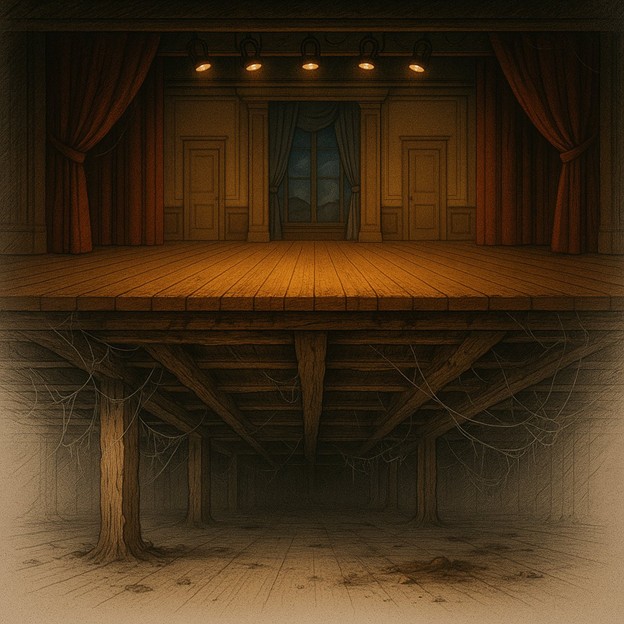
Every performance begins with the same unspoken agreement: the performers will step onstage, and the stage will hold. Whether it’s a makeshift riser in a school gym, a rolling deck in a civic center, or the historic boards of a Broadway house, the stage is both the literal foundation of a production and a defining part of the performing space itself.
Audiences rarely think about it. Performers must never doubt it. Yet in the rush of production, the stage is often taken for granted.
What We Often Overlook
In theater, we spend enormous energy on scenery, rigging, sound systems, and lighting cues. The stage surface, by contrast, is expected to “just be there.”
- Impromptu stages are sometimes built quickly, with little oversight beyond whether they look level.
- Touring platforms are assembled and struck hundreds of times, with wear and tear that isn’t always tracked.
- Permanent stages absorb decades of heavy use, repairs, and modifications that can quietly affect their integrity.
The very familiarity of the stage can create a dangerous assumption: if it’s still standing, it must be fine.
Why It Matters
The stage is not glamorous, but it is fundamental. Is the surface secure? Are seams flush and fasteners intact? Are trap doors, lifts, or rolling decks functioning as intended?
Just like rigging and lighting, the stage needs deliberate attention—consistent reviews often uncover problems before they grow. These checks may not be dramatic, but they are the baseline of safety for everyone who steps onstage. From the leading performer to the newest stagehand, trust in that platform is what allows the show to go on without hesitation.
Questions We Should Be Asking
The larger conversation isn’t about blame or past failures — it’s about practice. How do we, as an industry, keep this foundation strong?
- Do we inspect our stages with the same regularity as fire extinguishers or exit lights?
- Do we track repairs and wear the way we track rigging certifications?
- When planning a production, do we ask not only how the set will look but how the stage will carry it?
These questions apply equally in a high school cafetorium, a regional playhouse, or a Broadway palace. The expectation is always the same: the stage must support the story.
Closing Reflection
Theater thrives on imagination, but imagination rests on something solid. The stage beneath our feet is more than wood and screws; it is the foundation of performance and of trust. Keeping that foundation strong isn’t about pointing fingers or assigning blame — it’s about asking, together, how we make sure every stage is as reliable as the stories it carries.